
How Can Butterfly Valve Casting Support Cryogenic Valve Applications
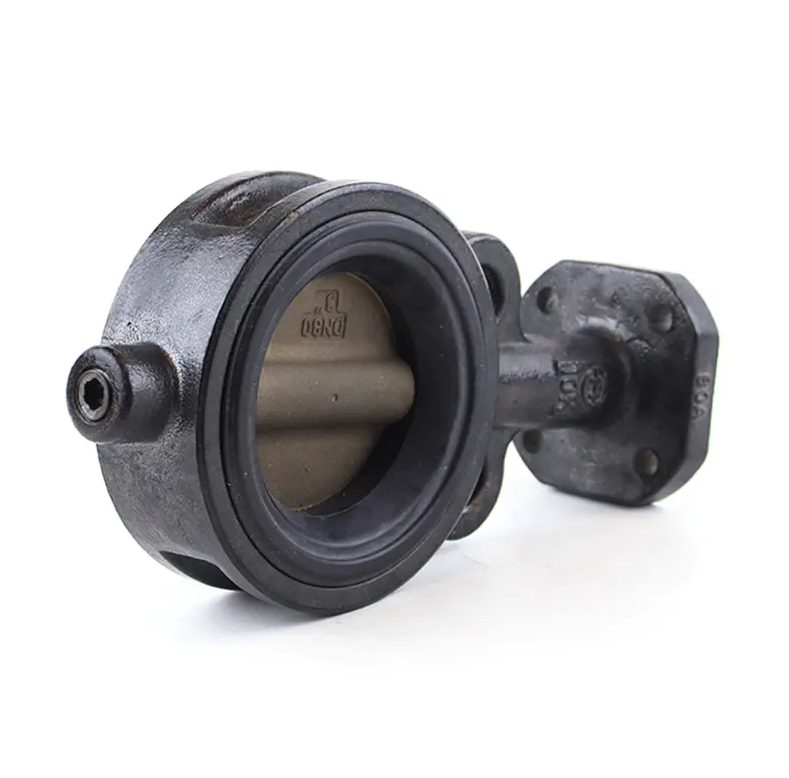
Handling low-temperature fluids requires components that can maintain structural integrity under stress. Butterfly Valve Casting and Cryogenic Valve technologies have gradually evolved to address these challenges, offering a combination of design flexibility and operational stability. When dealing with gases in liquefied states, maintaining consistent flow control without leakage becomes a central concern.
The design of a Cryogenic Valve must take into account not only temperature resistance but also flow efficiency. Butterfly Valve Casting contributes to this by enabling streamlined internal passages. A well-designed disc and body structure reduces turbulence, which helps maintain a steady flow rate. This is particularly relevant in systems where pressure balance is critical, such as gas distribution networks.
Technical specifications provide a useful framework for understanding performance expectations. Parameters such as nominal diameter, pressure class, and temperature rating are often considered during the selection process. For instance, a Cryogenic Valve may need to operate at pressures ranging from PN16 to PN100, depending on the application. Butterfly Valve Casting ensures that the valve body can withstand these pressures without deformation.
Another important specification is the leakage rate. In cryogenic systems, even a small amount of leakage can lead to efficiency losses or safety risks. High-quality Butterfly Valve Casting helps achieve precise tolerances, which in turn supports better sealing performance. This becomes especially important when valves are subjected to repeated opening and closing cycles.
Material compatibility also plays a significant role. Cryogenic environments often involve exposure to substances such as liquid nitrogen, oxygen, or natural gas. The materials used in Butterfly Valve Casting must resist not only low temperatures but also potential chemical interactions. Stainless steels and nickel-based alloys are commonly selected for this purpose due to their stability under such conditions.
From a practical standpoint, installation and maintenance are key considerations. Butterfly valves are often preferred because of their relatively compact structure and ease of operation. Casting allows for integrated features such as mounting flanges and actuator connections, simplifying the installation process. In Cryogenic Valve systems, minimizing installation complexity can reduce the risk of errors.
Use case analysis reveals how these valves function across different industries. In air separation plants, for example, Cryogenic Valve assemblies control the flow of oxygen and nitrogen during production. The valves must operate reliably despite frequent temperature changes. Butterfly Valve Casting provides the structural consistency needed to handle these fluctuations without compromising performance.
In the energy sector, particularly in LNG transportation, valves are exposed to continuous low-temperature conditions. Here, long-term durability becomes a priority. Casting processes that minimize internal defects contribute to longer service intervals, reducing maintenance requirements. This has a direct impact on operational efficiency, especially in large-scale facilities.
Performance comparison between different valve types often highlights the advantages of butterfly designs. Compared to gate or globe valves, butterfly valves typically offer faster operation and lower pressure drop. When combined with high-quality casting, they provide a balanced solution for many Cryogenic Valve applications. However, the final choice often depends on specific system requirements.
Manufacturers are also paying attention to surface treatment and finishing processes. Smooth internal surfaces reduce friction and improve flow characteristics. Techniques such as shot blasting or polishing are commonly applied after Butterfly Valve Casting to enhance surface quality. These finishing steps may seem minor, but they can influence overall valve efficiency.
Industry insights suggest that demand for cryogenic equipment is likely to grow as energy infrastructure expands. This includes increased use of LNG as well as advancements in hydrogen storage technologies. Both areas require reliable Cryogenic Valve solutions, which in turn drives innovation in casting methods and materials.
Another area of development involves quality assurance. Standardized testing procedures, including pressure testing and low-temperature impact testing, are used to verify valve performance. These tests ensure that Butterfly Valve Casting meets the necessary requirements before being deployed in real-world applications.
Practical solutions for improving valve performance often focus on design refinement. For example, optimizing the disc profile can reduce flow resistance, while reinforcing critical sections of the casting can improve strength. These adjustments are usually based on feedback from field applications, creating a continuous improvement cycle.
Looking ahead, digital technologies are beginning to influence valve manufacturing. Data collected during production and operation can be used to refine casting processes and predict maintenance needs. This approach supports more efficient use of resources and helps extend the lifespan of Cryogenic Valve systems.
The combination of design flexibility, reliable materials, and controlled manufacturing processes makes Butterfly Valve Casting a suitable choice for demanding environments. By focusing on technical specifications and real-world performance, manufacturers can deliver solutions that align with the needs of various industries without relying on exaggerated claims.

 Arabic
 French