
What Makes Anti-Slip Elastic Band Suitable for Apparel Design?
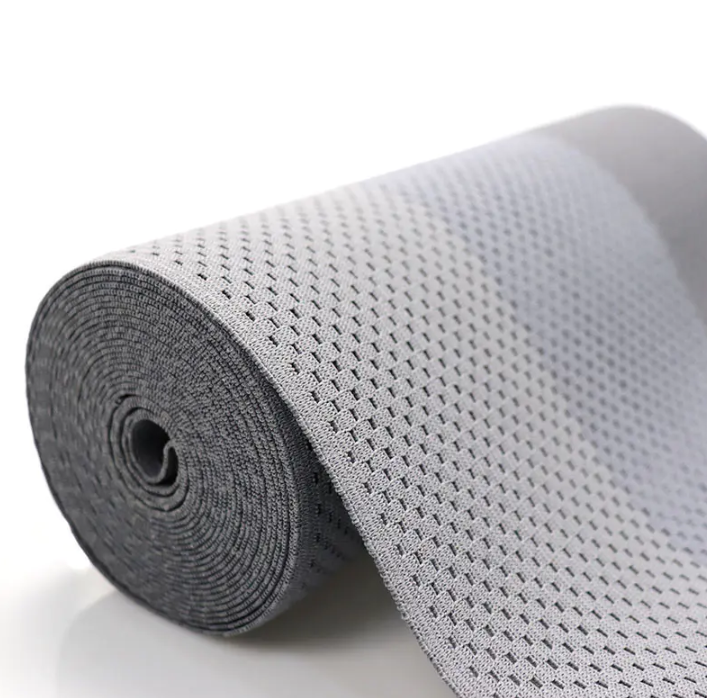
Designing modern apparel involves more than fabric selection; structural components like bands and trims play a critical role in fit and comfort. Choosing an appropriate Anti-Slip Elastic Band from a reliable Elastic Band Factory can influence how a garment performs during everyday use, especially in active or form-fitting designs.
The Role of Elastic Bands in Garment Construction
Elastic bands are often integrated into waistlines, cuffs, and support areas. Their primary purpose is to provide stretch while maintaining shape. When anti-slip features are added, the band can stay securely in place even during movement.
This is particularly useful in:
· Athletic leggings that need to remain aligned during exercise
· Undergarments that require stable positioning without discomfort
· Functional clothing designed for extended wear
A well-designed Anti-Slip Elastic Band contributes to both aesthetics and usability.
Structural Differences in Anti-Slip Variants
Compared to standard elastic bands, anti-slip versions include additional elements:
· Silicone strips or dots applied to the inner surface
· Textured weaving patterns that naturally increase friction
· Layered constructions combining different materials
These features are carefully engineered to avoid irritation while still improving grip. The placement and thickness of the anti-slip layer are adjusted depending on the intended use.
Quality Control in an Elastic Band Factory
Consistency is a major concern when producing elastic bands at scale. A professional Elastic Band Factory often implements multiple inspection stages:
1. Raw material inspection
2. In-process monitoring during weaving or knitting
3. Final product testing for elasticity and durability
Automation can assist with precision, but experienced technicians still play an important role in adjusting machines and identifying subtle variations.
Comparing Performance Across Different Types
Not all elastic bands perform the same. Differences may include:
· Stretch ratio: how far the band can extend
· Recovery rate: how well it returns to original length
· Surface friction: level of grip against skin or fabric
Anti-slip bands generally offer higher friction, but this must be balanced with comfort. Excessive grip can feel restrictive, so manufacturers aim for a moderate level that suits the application.
Real-World Use Case: Sportswear Brands
Sportswear brands often integrate anti-slip elastic bands into their designs to enhance user experience. For example:
· Waistbands that stay in place during running or stretching
· Arm or leg bands that prevent fabric from shifting
· Support areas that maintain compression levels
These practical benefits are not always immediately visible but become noticeable during active use.
Environmental and Material Trends
Sustainability is becoming more relevant in textile manufacturing. Some Elastic Band Factory operations are exploring:
· Recycled polyester yarns
· Water-based silicone coatings
· Reduced energy consumption during heat-setting
These adjustments aim to align production with evolving environmental expectations while maintaining product functionality.
Practical Advice for Buyers and Designers
When selecting an Anti-Slip Elastic Band, it helps to test samples under realistic conditions. Consider:
· Skin sensitivity for wearable products
· Washing frequency and temperature
· Required lifespan of the product
Working closely with the factory allows for small adjustments in design, such as modifying the width or changing the anti-slip pattern.
Final Perspective
Elastic bands are often overlooked in product design discussions, yet they contribute significantly to performance and comfort. Anti-slip variations provide an additional layer of functionality that supports stability across different applications. With careful sourcing and collaboration with an experienced Elastic Band Factory, these components can be tailored to meet diverse design requirements.

 Arabic
 French