
How Are Stainless Steel Capillaries Manufactured Step by Step
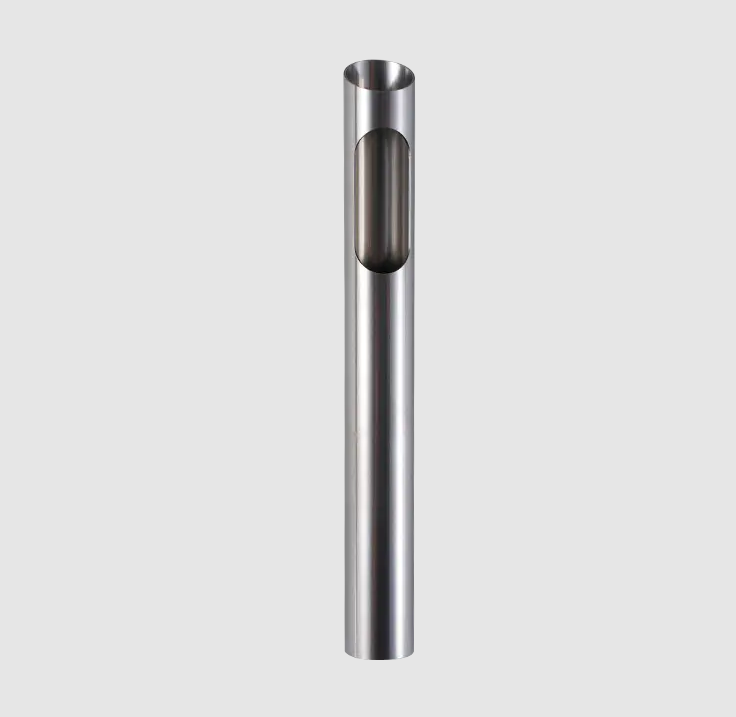
Discussions around medical component manufacturing often include Stainless Steel Capillaries and Special Medical Needles, as both are essential elements in a wide range of healthcare and laboratory applications. Their production involves multiple stages, each contributing to the final product’s performance and reliability.
The manufacturing process of Stainless Steel Capillaries typically begins with raw material selection. High-grade stainless steel is chosen for its mechanical strength and resistance to corrosion. The material is first formed into tubes through extrusion or piercing processes, followed by a series of drawing operations that reduce the diameter and refine the wall thickness.
Tube drawing is a critical step. During this process, the tube is pulled through a die to achieve precise dimensions. Multiple drawing passes may be required to reach the desired size, with intermediate annealing steps to relieve internal stress and maintain material flexibility. This combination of drawing and annealing ensures that the capillary retains both strength and ductility.
Surface treatment follows the drawing process. Polishing or chemical cleaning is applied to improve surface finish and remove any contaminants. A smooth inner surface is particularly important for applications involving fluid transfer, as it reduces resistance and helps maintain consistent flow.
Special Medical Needles are often produced using these capillaries as the base material. The capillary tube is cut to the required length, after which the tip is shaped through grinding processes. Different tip designs are created depending on the intended application, such as bevel tips for injection or specialized shapes for surgical use.
Quality control plays a central role throughout the manufacturing process. Dimensional inspection ensures that each capillary meets specified tolerances, while mechanical testing verifies strength and flexibility. For needles, additional checks focus on tip sharpness and surface smoothness, as these factors influence performance during use.
Sterilization compatibility is another important consideration. Both capillaries and needles must withstand processes such as autoclaving or chemical sterilization without degradation. This requirement influences material selection and surface treatment methods.
Technical specifications vary depending on application requirements. Capillaries may have outer diameters ranging from fractions of a millimeter to several millimeters, with wall thickness carefully controlled to maintain structural integrity. Needles are classified by gauge, which indicates their diameter, and length, which determines their reach.
Performance comparison between different production methods highlights the importance of precision. Capillaries produced with tighter tolerances and smoother surfaces generally provide more consistent performance. Similarly, needles with well-defined tip geometry offer improved functionality in clinical applications.
Application scenarios illustrate the versatility of these components. In drug delivery systems, capillaries are used to guide fluids with controlled flow rates. In diagnostic equipment, they help transport samples for analysis. Special Medical Needles are used in procedures ranging from injections to biopsies, each requiring specific design characteristics.
Industry trends indicate a growing emphasis on automation and process control. Advanced manufacturing technologies enable more consistent production and reduce variability. At the same time, there is increasing interest in developing new surface treatments that enhance performance without compromising material integrity.
Practical solutions for manufacturers include investing in precision equipment and implementing rigorous quality management systems. These measures help ensure that both Stainless Steel Capillaries and Special Medical Needles meet the demands of modern healthcare applications.
Understanding the manufacturing process provides valuable insight into how these components achieve their performance characteristics. Each stage, from material selection to final inspection, contributes to the reliability and functionality required in medical environments.

 English
 Arabic