
Rxmolds High Mount Stop Lamp Mold: Sustainable Solutions for Automotive Production
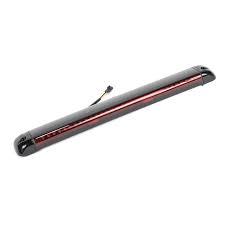
In modern vehicle manufacturing,High Mount Stop Lamp Mold technology plays a crucial role in producing reliable and visually refined lighting components. By utilizing High Mount Stop Lamp Mold systems, automotive manufacturers can achieve precise dimensions, improved durability, and consistent product quality throughout large-scale production. Rxmolds has developed advanced manufacturing solutions that combine innovative engineering, high-performance materials, and precise tooling methods. These technologies help automotive companies meet strict safety standards while improving efficiency and reducing production waste across lighting component manufacturing processes.
1. The Importance of Precision in Automotive Lighting Components
Automotive lighting systems are essential for both safety and vehicle appearance. Precision tooling ensures that brake light housings, reflective covers, and lamp assemblies maintain accurate dimensions and smooth surface finishes. Consistent production quality is critical because even small imperfections can affect visibility and overall lighting performance.
Advanced tooling technologies allow manufacturers to produce highly detailed components with excellent repeatability. These manufacturing systems reduce production errors and improve operational efficiency during mass production. Durable tooling structures also support long-term manufacturing stability, enabling companies to maintain reliable output without frequent interruptions or costly maintenance procedures.
2. Material Selection and Structural Durability
Selecting suitable materials is a critical factor in automotive lighting production. High-strength steel alloys are commonly used for tooling systems because they provide excellent resistance to wear, heat, and pressure during continuous manufacturing operations. Aluminum components may also be used in specific applications where lightweight structures and rapid heat dissipation are beneficial.
Engineering-grade plastics used in lighting assemblies must offer durability, heat resistance, and optical clarity. Proper material selection ensures that finished components can withstand varying weather conditions, vibrations, and long-term vehicle usage. Advanced cooling systems and optimized internal mold structures further improve production consistency and help prevent surface defects during manufacturing.
3. Advanced Lighting Solutions with Rxmolds Expertise
Rxmolds provides customized tooling systems designed to support modern automotive lighting production requirements. Tailored manufacturing solutions enable automotive companies to create unique lamp designs, detailed textures, and innovative lighting structures that enhance both safety and visual appeal.
Experienced engineering teams carefully analyze project specifications before developing specialized tooling systems for each application. This customized approach improves dimensional accuracy, production efficiency, and long-term tooling reliability. By supporting innovative lighting concepts, advanced tooling solutions help manufacturers remain competitive in the rapidly evolving automotive market.
4. Digital Technology in Modern Mold Manufacturing
Modern tooling production increasingly relies on digital technologies to improve precision and efficiency. Computer-Aided Design (CAD) software enables engineers to create highly detailed lighting component structures with exceptional accuracy. Computer-Aided Manufacturing (CAM) systems transform these digital models into production-ready tooling with minimal deviation.
Simulation technology also plays an important role in improving manufacturing performance. Engineers can evaluate material flow, temperature distribution, and structural performance before production begins. This predictive analysis reduces costly mistakes and shortens development cycles. Automated machinery and real-time monitoring systems further improve production consistency while minimizing human error during complex manufacturing operations.
5. Future Trends in Automotive Lighting Manufacturing
The future of automotive lighting manufacturing is strongly connected to sustainability, intelligent technology, and innovative design. Manufacturers are increasingly adopting energy-efficient production systems, recyclable materials, and environmentally responsible manufacturing processes. These strategies reduce operational waste while improving production efficiency and product reliability.
Emerging technologies such as rapid prototyping and additive manufacturing are also transforming tooling development. These methods allow manufacturers to create prototypes faster, evaluate new concepts efficiently, and accelerate product launches. Smart manufacturing systems integrated with artificial intelligence and automated quality inspection are expected to become even more important in future automotive production environments.
As consumer demand for advanced lighting systems continues growing, manufacturers must focus on innovation, durability, and environmental responsibility. Companies that invest in advanced tooling technologies can improve product quality while maintaining competitive advantages in global automotive markets.
In conclusion, advanced tooling systems are essential for producing reliable and high-quality automotive lighting components. By combining precision engineering, durable materials, and modern manufacturing technologies, companies can improve efficiency and support future innovation in vehicle lighting production. For additional product information and advanced tooling solutions, visit https://www.rxmolds.com/product/ .

 Arabic
 French